
The Art of Being Known
There's a particular kind of loneliness that comes from being fully informed about someone and still feeling like a stranger to them.
You know where they work.
You know what happened in their last relationship.
You know what they want for their future, their fears, their morning routine.
And somehow, you still don't feel like you know them.
I think we confuse information with intimacy more often than we realize.
We ask questions expecting them to build closeness, and sometimes they do. But only to a point. Facts tell us what happened. They rarely tell us what it meant. A person can answer every question you ask for months and still keep the parts of themselves that actually matter completely out of reach.
That's not dishonesty.
It's self-protection.
Most of us were taught, somewhere along the way, that revealing too much makes us easy to leave. So we learned to answer questions without opening doors. We got comfortable being transparent about our history while staying private about our inner world. We could tell someone everything that happened to us and still never let them experience what any of it actually felt like.
I don't believe closeness is created by how much someone knows about you.
I think it's created by what you allow them to discover.
There's a difference.
Knowing about someone is passive. It happens through questions and answers, through timelines and resumes of the self. Being known is active. It requires you to invite someone in rather than simply respond when they knock. It means letting them see you decide something in real time instead of only hearing the version you've already processed and packaged. It means letting them witness the uncertain middle, not just the resolved ending.
I call this invited access.
Invited access isn't the same as oversharing, and it isn't the same as answering every question you're asked. It's the deliberate, sometimes uncomfortable choice to let someone experience a piece of you before it's fully understood, before it's polished, before you know how they'll respond to it. It's telling someone you're nervous instead of performing confidence. It's letting them see you change your mind. It's admitting you don't know something instead of quietly researching it first so you can sound like you always did.
Every time you do this, you're not handing someone information.
You're handing them access.
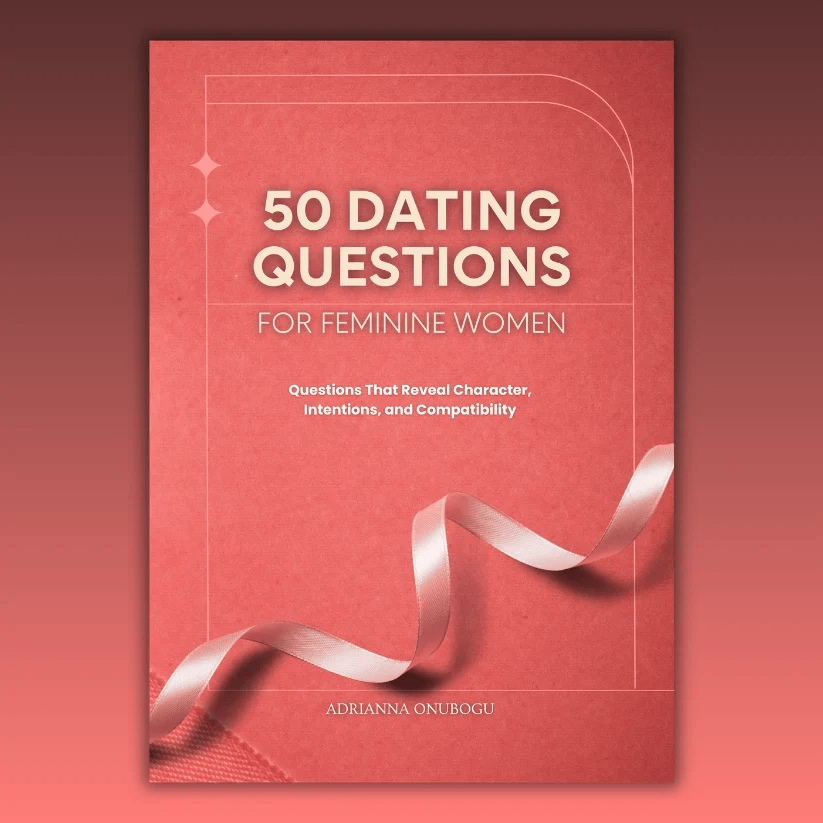
I think this is why so many relationships feel stalled even when nothing is technically wrong. Two people can spend months exchanging details about their lives while neither one ever actually opens a door. They know each other's schedules, families, and preferences, and they still leave every conversation feeling slightly unseen. Not because the other person wasn't listening. Because nothing was ever offered that required trust to receive.
Being known asks something of both people.
It asks the one revealing to tolerate the discomfort of being witnessed before they feel ready. And it asks the one receiving to respond with enough safety that revealing again feels worth it.
When either piece is missing, people quietly go back to what's familiar. They keep answering questions. They stop opening doors.
I don't think the goal of closeness is to tell someone everything about your past.
I think it's to let them experience something true about your present.
A story tells someone who you used to be.
A moment lets them meet who you actually are.
That's the art of being known. It isn't about how much someone learns about you over time. It's about how much of yourself you're willing to let them witness while it's still unfolding, before you've had the chance to explain it away.